


The 5 essential criteria for proper Fine Art Storage
The value of fine art extends far beyond its market price—it represents cultural heritage, emotional significance, and often a long-term strategic asset. According to the Getty Conservation Institute and the Canadian Conservation Institute, most deterioration affecting artworks originates from environmental factors, particularly fluctuations in temperature and humidity. ICOM-CC also highlights that temperature stability is essential to reducing mechanical and chemical risks.
Ensuring the professional preservation of paintings, sculptures, and photographic works means protecting their longevity and long-term value. Here are the five essential criteria for museum-grade Fine Art Storage.
1. A Controlled climate environment
Temperature and humidity: achieving the right balance
A stable temperature between 20°C and 22°C and a relative humidity of 50% to 60% represent the museum-grade standards recommended by the Canadian Conservation Institute (2024).
Any fluctuation may lead to:
- structural deformation,
- cracking,
- mold development.
Fortius applies these standards across its Luxembourg secure facilities, equipped with connected sensors and automatic alerts.
Stability: the golden rule
Sudden variations—more than the absolute levels themselves—cause most forms of damage. Stability is therefore the foundation of successful fine art preservation.
2. Robust physical and digital security
Multi-layered security
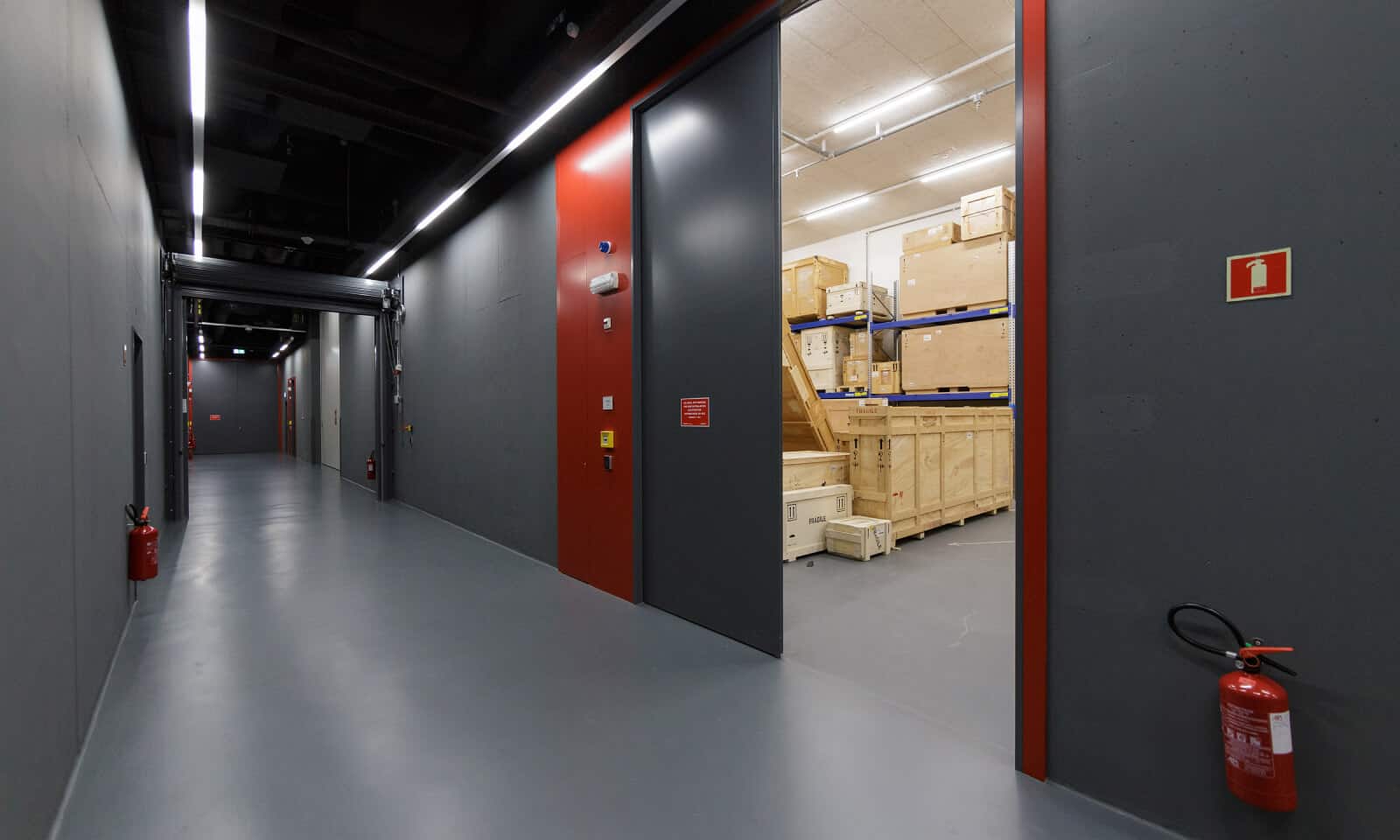
A secure fine art storage facility must combine:
- 24/7 video surveillance,
- biometric access control,
- inert-gas fire suppression systems,
- timestamped digital traceability.
Protected data and encrypted inventories
At Fortius, each item is recorded in an encrypted registry (using AES-256 standards), ensuring absolute confidentiality—a key factor for collectors, institutions, and family offices.
3. Certified Human Expertise
Specialized skills and knowledge
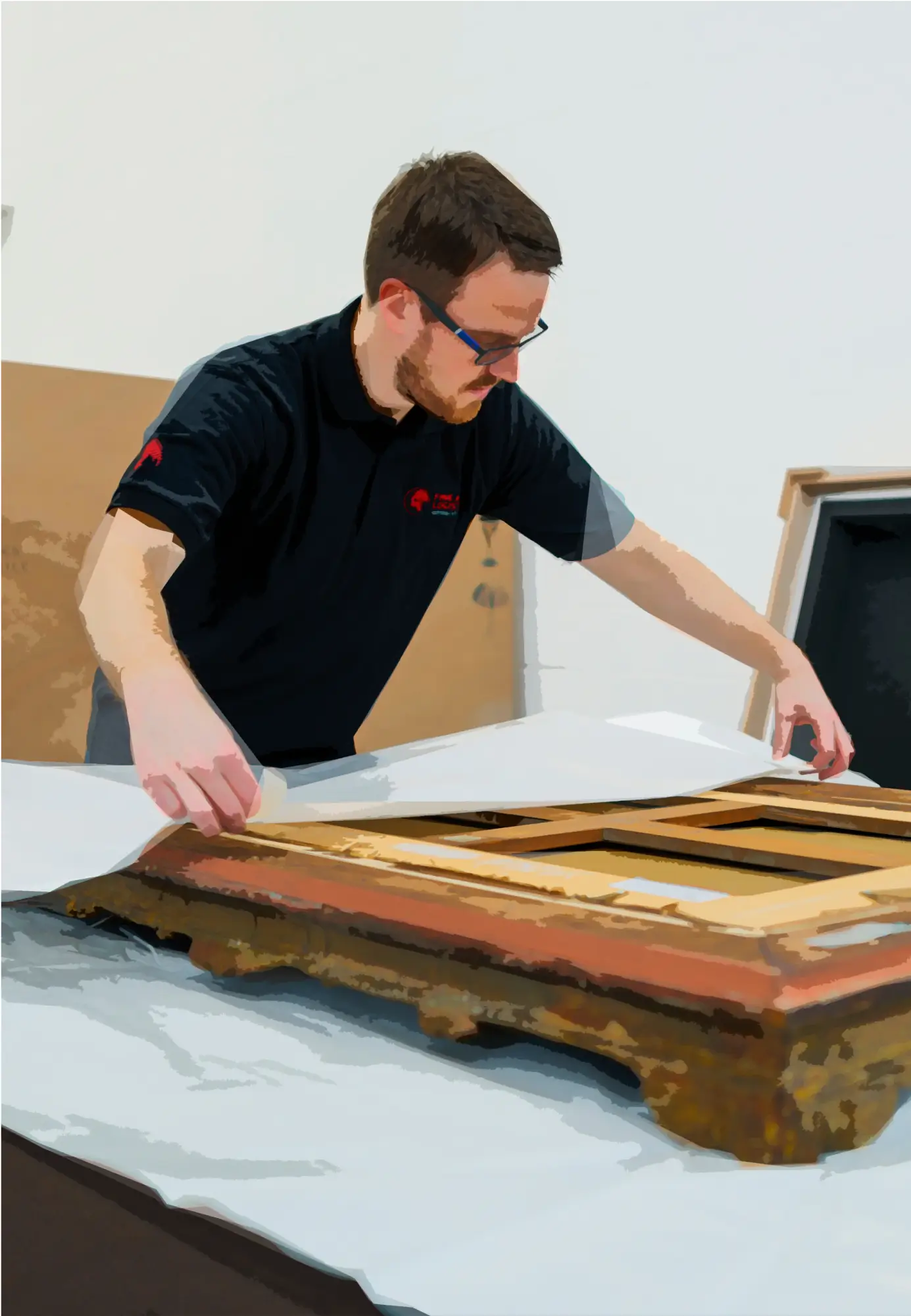
Professional fine art preservation relies on expert teams. Conservators, fine art logisticians, and trained personnel certified to ICOM and ISO 11799 standards supervise each handling operation.
Handling and packing
- Use of acid-free, inert materials,
- Custom packaging adapted to each medium (canvas, marble, bronze, photography),
- Dedicated areas for unpacking, inspection, or restoration.
Qualified teams prevent up to 50% of avoidable damage. Discover Fortius’ Fine Art Storage solutions.
4. Certified and Fully Auditable Infrastructure
Certification and traceability
Choose facilities compliant with internationally recognized standards:
- ISO 11799 — archival and fine art storage requirements,
- ICCROM / ICOM-CC — conservation and climate recommendations,
- AAM (American Alliance of Museums)— museum best practices.
Auditability and insurance compatibility
A high-end facility such as Fortius Luxembourg provides timestamped climate reports and complete traceability—elements required by specialized insurers.
5. Tailored Services and a Strategic Location
Complementary services
A premium provider goes beyond storage alone:
- secure fine art transport,
- tailored insurance,
- customs and fiscal assistance (including freeport regimes),
- private access by appointment.
Luxembourg: a European hub for secure high-value storage
Download our comparative guide to international storage hubs to understand why Luxembourg stands out globally thanks to its fiscal neutrality, its AMLD5 regulatory framework, and its high-security logistics infrastructure (Luxembourg High Security Hub).
Conclusion
Storing fine art means protecting its value, its history, and its significance.
The five criteria outlined—controlled climate, complete security, certified expertise, audited infrastructures, and tailored services—define the standards of professional fine art conservation.
Explore Fortius Fine Art Storage solutions for bespoke support in the heart of Luxembourg.
FAQ
1. What is the ideal temperature for preserving a painting?
Between 20°C and 22°C, with 50%–60% relative humidity; above these levels, pigments and varnishes begin to deteriorate.
2. What is the difference between storage and conservation?
Storage refers to the secure physical space; conservation includes climate control, monitoring, security, and professional oversight.
3. Why avoid self-storage or standard storage units?
They do not provide climate stability nor the security required for museum-grade standards.
4. What advantages does Fortius offer in Luxembourg?
A freeport-eligible location, museum-grade expertise, and reinforced contractual confidentiality.
Similar articles

Security audit: what does flawless storage look like?
In a world where the value of an asset goes far beyond its price, security becomes a non-negotiable requirement. Fine…

Luxury storage units: far more than a simple warehouse
A luxury storage unit is far more than a simple storage space. For collectors, investors, or owners of valuable assets,…

Storing a private collection: expert guidance from Fortius
Building a private collection is first and foremost an emotional and cultural journey. Whether it includes paintings, sculptures, photographs or…


Art enthusiast?
Download the worldwide art sales calendar and never miss an important sale or event!
Discover the calendar