

Storing a private collection: expert guidance from Fortius
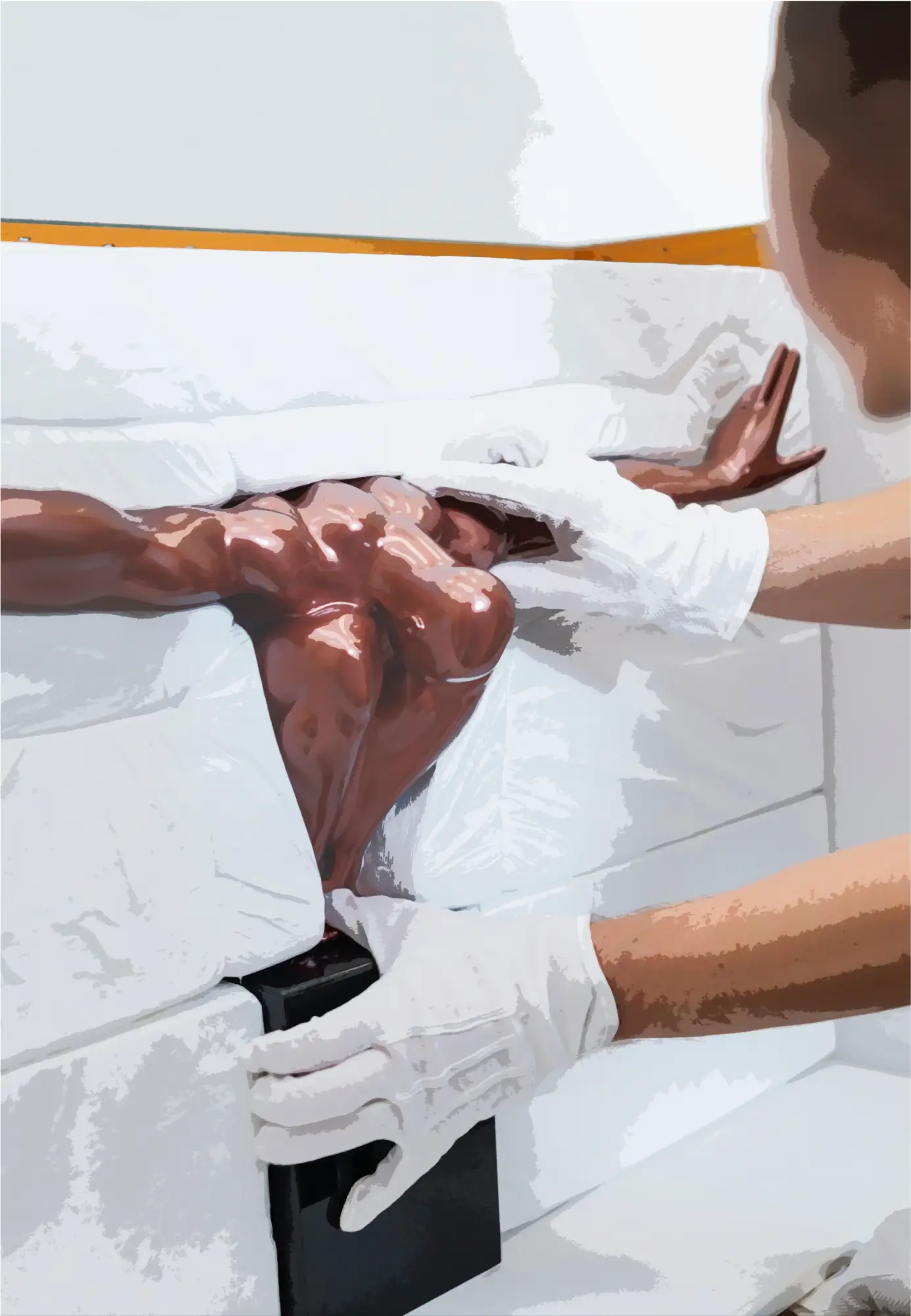
Building a private collection is first and foremost an emotional and cultural journey. Whether it includes paintings, sculptures, photographs or rare objects, these assets deserve care worthy of leading museums.
But how can you ensure their long-term preservation?
Between professional conservation, security and tax considerations, fine art storage becomes a key component in the management of cultural assets. Here are Fortius experts’ recommendations for storing your private collection with complete peace of mind.
Why professional conservation is essential
Preserving the value and integrity of artworks
Fluctuations in temperature, humidity or light can affect an artwork within weeks. According to the Getty Conservation Institute (2024), relative humidity above 65% encourages mold growth, while overly dry conditions weaken the materials.
A high-security art warehouse maintains constant environmental conditions (20–22°C and 50–60% RH) through ISO 11799-certified climate control.
This ensures museum-grade professional conservation across all stored artworks.
Reducing physical and financial risks
Fire, theft, flooding — these risks threaten any private collection stored at home.
At Fortius, security is based on:
- biometric access control and 24/7 video surveillance;
- redundant alarm systems and inert-gas fire protection;
- digital traceability for every deposited item.
Each artwork is protected, insured and monitored with the same rigor as a financial asset. Contact us to learn more about our fine art storage solutions.
Assessing your needs before storage
Type and sensitivity of each asset
An oil painting does not require the same conditions as a bronze sculpture or a pigment print. Fortius conservators define specific zones: climate-controlled rooms, adapted racking, or ventilated museum-grade crates.
Duration and objectives
- temporary storage: prior to exhibition, restoration or transport;
- long-term storage: for estate planning or cultural asset management.
In all cases, managing secure storage for paintings requires anticipating climate needs, access and security.
Key criteria for choosing the right storage facility
Physical and digital security
A high-security art warehouse must combine:
- restricted access using biometric credentials;
- timestamped and logged access records;
- AES-256 encrypted inventories;
- inert-gas fire suppression systems.
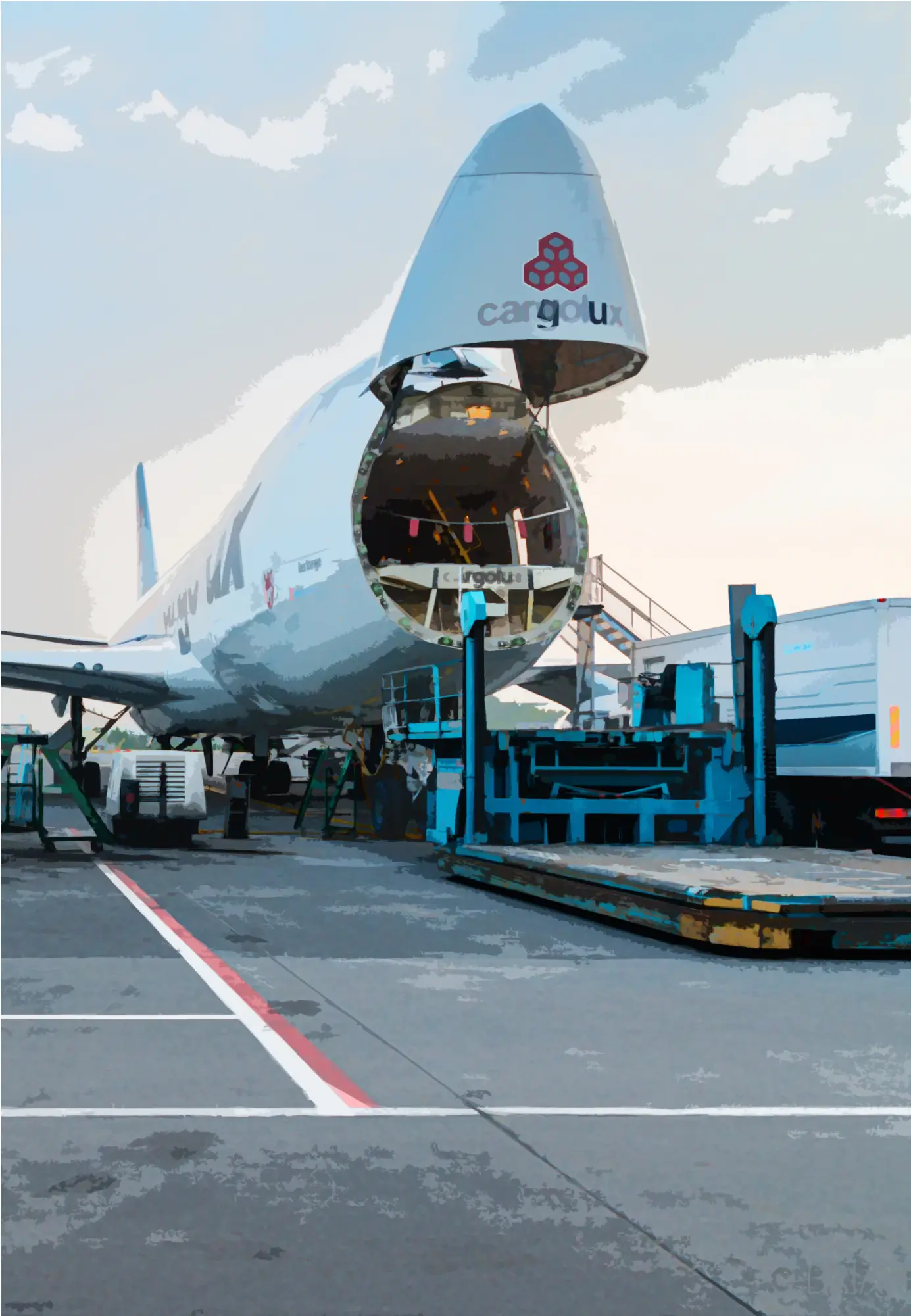
📍 Also read: Fine art transport – best practices before storage.
Continuous climate control
IoT sensors monitor temperature and humidity in real time, with data archived for ten years — a requirement highlighted by the Canadian Conservation Institute (2024).
Strategic location
Luxembourg offers a unique environment: political stability, fiscal neutrality and high-end logistics infrastructure, notably the Luxembourg High Security Hub where Fortius operates.
Anticipating legal and tax considerations
Storing assets in a Luxembourg free zone provides:
- VAT suspension for stored artworks;
- regulatory traceability (AMLD5 compliance);
- contractual confidentiality guaranteed by local legislation.
These mechanisms enhance legal security and financial transparency for international collectors and family offices.
Best practices to enhance your collection
- Document every artwork: certificates, photographs, climate reports;
- Avoid domestic storage: household environments are too unstable;
- Work with certified professionals: Fortius combines museum-grade conservation with international art logistics;
- Plan for estate succession: professional storage simplifies transfer and insurance processes.
💡 At Fortius, every client benefits from a private space, a digitised inventory and a dedicated point of contact for tailored support.
Conclusion
Storing a private collection is not just about locking away valuable assets — it is a genuine act of cultural and financial preservation.
By entrusting your artworks to a high-security art warehouse such as Fortius, you ensure their integrity, value and traceability.
👉 Discover Fortius storage solutions to protect and enhance your collection over the long term.
FAQ
1. Why store my collection in a specialised warehouse?
To benefit from museum-grade conditions (climate, security, insurance) unavailable in private spaces.
2. What climate parameters are recommended?
Temperature: 20–22°C; humidity: 50–60% RH. Stability is essential.
3. Can I freely access my artworks?
Yes, by appointment, in private, secure and confidential rooms.
4. Does professional storage include insurance?
Insurance is not included, but Fortius can arrange coverage for storage and transport according to the client’s needs and proportional to the value of the artworks.
Falnlc maintains its strategy but will evolve for the better
We wanted to reassure our clients and partners that this name change of LE FREEPORT is purely cosmetic and has no influence on the activity of Fine Art Logistics Natural Le Coultre in the field of warehousing and logistics of works of art and other collectibles. There is also no change in the procedures or the customs status of the Luxembourg free zone.
If you have any questions, please do not hesitate to contact us for further information.
In order to serve you better, the Fine Art Logistics Natural Le Coultre team is also working on a new identity that we will present soon.
Similar articles

Security audit: what does flawless storage look like?
In a world where the value of an asset goes far beyond its price, security becomes a non-negotiable requirement. Fine…

Luxury storage units: far more than a simple warehouse
A luxury storage unit is far more than a simple storage space. For collectors, investors, or owners of valuable assets,…

Absolute discretion: our commitment for sensitive assets
In the world of high-end storage, discretion is not a marketing argument – it is a culture. Whether it concerns…


Art enthusiast?
Download the worldwide art sales calendar and never miss an important sale or event!
Discover the calendar