

How to choose a secure facility for fine art Storage
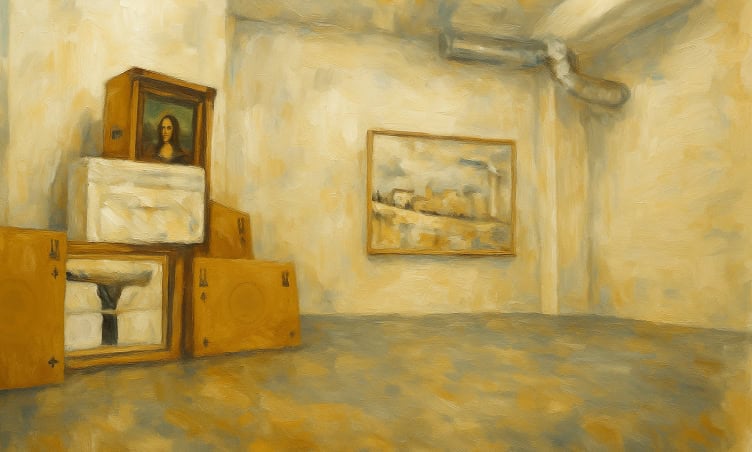
Choosing a secure facility for Fine Art Storage goes far beyond finding a closed space — it means ensuring the preservation, security, and appreciation of a cultural and financial asset. In a global art market estimated at USD 57.5 billion in 2024 (Art Basel & UBS Report 2025), preservation has become a strategic issue for collectors, investors, and institutions alike.
Temperature, humidity, security, human expertise — every detail matters. This article guides you through the key criteria for choosing a secure Fine Art Storage facility, in line with the most demanding museum standards.
Identify your needs: the nature and value of the artworks
Paintings, sculptures, photographs — each artwork has its own requirements
A painting requires a stable temperature (20–22 °C) and controlled relative humidity (50–60%) to avoid discoloration and cracking.
Sculptures, especially those made of wood or bronze, require constant monitoring to prevent corrosion or expansion.
Photographs, on the other hand, demand a UV-free and oxidant-free environment, with enhanced air filtration.
Volume and frequency of handling
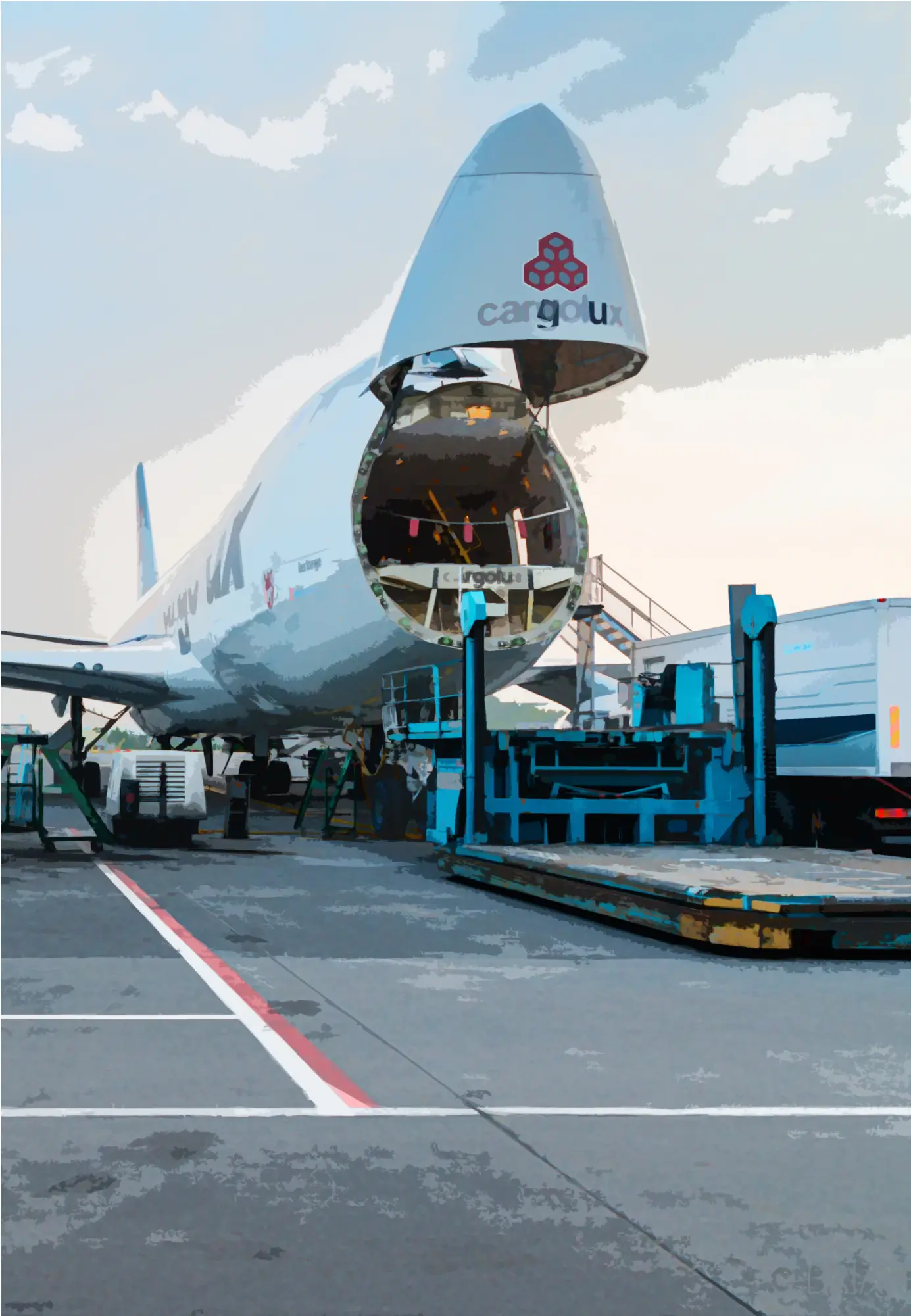
A mobile collection (loans, exhibitions) requires specialized handling areas and integrated logistics: secure art transport, custom packing, and airport supervision — a key service offered by Fortius.
Examine the technical criteria of the facility
Climate control
A professional facility must maintain:
- Temperature: 20 ± 2 °C
- Humidity: 50–60%
- Air filtration against dust and pollutants
These conditions comply with the recommendations of the Canadian Conservation Institute and ICOM-CC standards.
Security and confidentiality
Choose facilities offering:
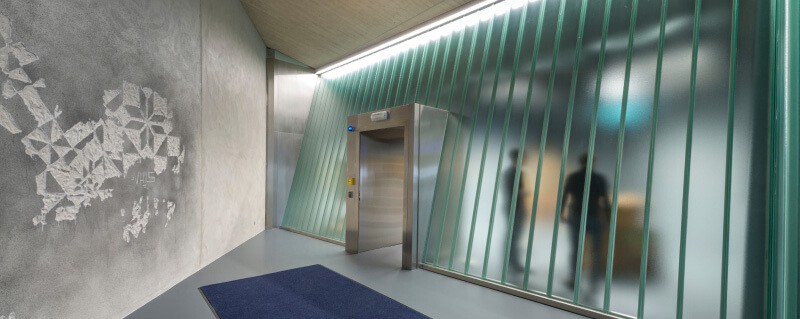
- Biometric access, 24/7 video surveillance, and redundant alarms
- Private areas and anonymized contracts, ensuring total discretion
- AML/KYC compliance, a guarantee of regulatory transparency in Luxembourg
Check certifications and international standards
Key references
- ISO 11799: requirements for archival and artistic storage
- ICCROM: best practices in heritage conservation
- AAM & ICOM: security standards for museum collections
A secure Fine Art Storage facility that applies these frameworks ensures conditions equivalent to those of an international museum.
Auditability and insurance
Request a timestamped climate report and access log for each artwork — these documented proofs are essential for specialized insurers.
Evaluate human expertise and complementary services
From storage to professional conservation
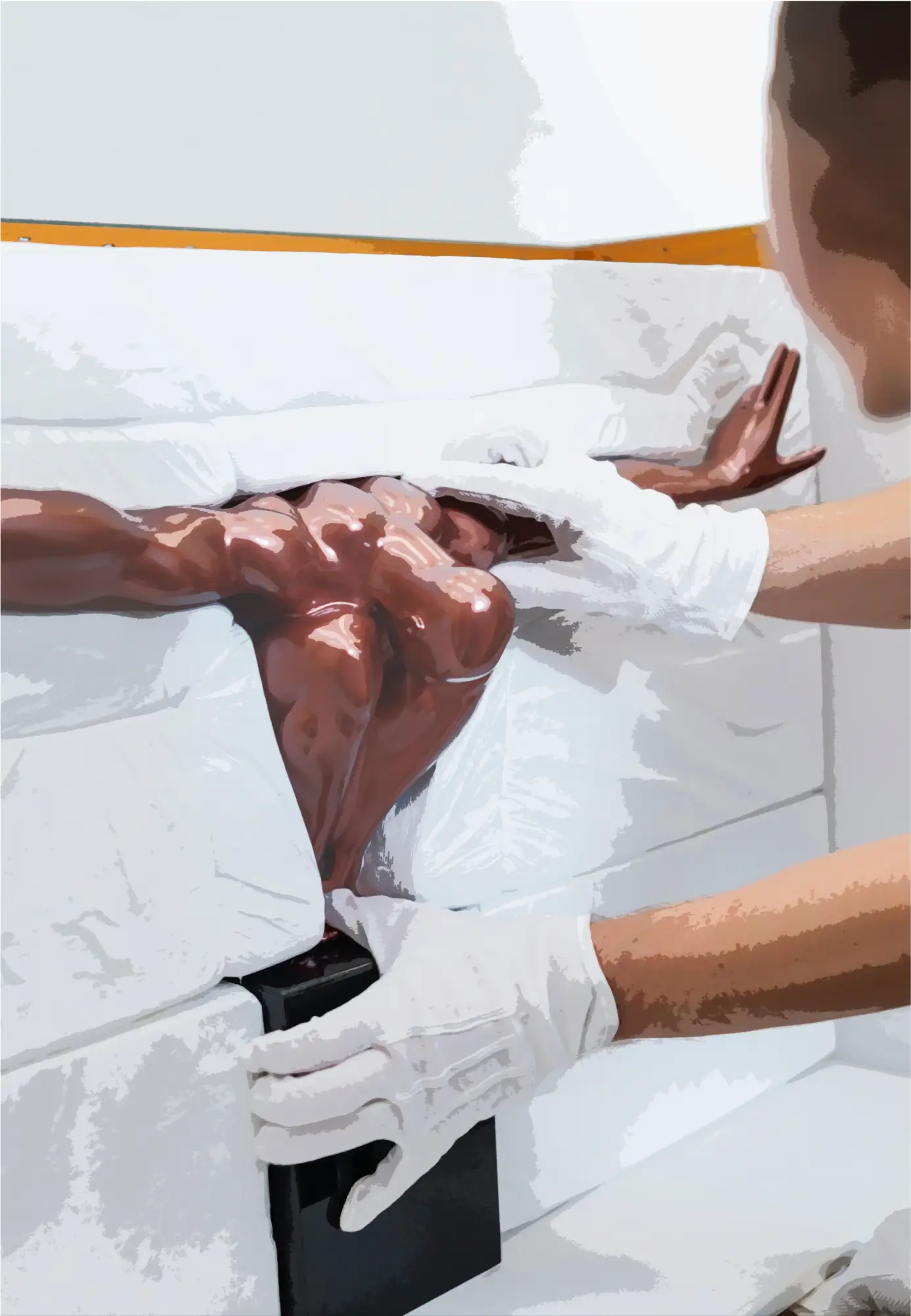
A high-end provider goes beyond logistics: it brings together conservators, restorers, and art logisticians trained to museum standards.
At Fortius, every handling operation is supervised by qualified personnel, guaranteeing complete traceability and total security.
Complementary services
- Secure transport of artworks (climate-controlled vehicles, shock sensors)
- On-site restoration and framing
- Tax and customs assistance (Luxembourg freeport zones)
Prioritize location and regulatory framework
Why Luxembourg?
- European logistics hub with high security
- Fiscal neutrality benefiting collectors and investors
- Home to the Luxembourg High Security Hub, a freeport approved by Customs
These advantages make the country a prime location for Fine Art Storage in Luxembourg, combining security, confidentiality, and fiscal benefits.
The Fortius example
Located at the heart of the Luxembourg High Security Hub, Fortius offers an ISO 11799-certified climate-controlled environment, AMLD5 compliance, and personalized services for collectors, museums, and family offices.
Conclusion
Choosing a secure facility for Fine Art Storage is an investment in the longevity of your collection.
Technical standards, regulatory rigor, and human expertise define the quality of preservation.
Secure Fine Art Storage for paintings is not an expense — it’s a lever for long-term asset value enhancement.
Discover Fortius Fine Art Storage solutions and benefit from tailored support for your collection.
FAQ
1. What is the difference between a standard warehouse and a secure Fine Art Storage facility?
A secure Fine Art Storage facility guarantees climate control, biometric security, adapted insurance, and qualified staff — unlike a standard storage unit.
2. What standards should be required for artwork preservation?
ISO 11799 and ICOM-CC define the temperature (20–22 °C) and humidity (50–60%) ranges to maintain.
3. Do the services include insurance?
Yes, insurance is generally offered as an option depending on the value of the artworks.
4. Why is Luxembourg preferred for Fine Art Storage?
For its favorable fiscal framework, secure infrastructure, and international customs compliance.
Similar articles

Security audit: what does flawless storage look like?
In a world where the value of an asset goes far beyond its price, security becomes a non-negotiable requirement. Fine…

Luxury storage units: far more than a simple warehouse
A luxury storage unit is far more than a simple storage space. For collectors, investors, or owners of valuable assets,…

Storing a private collection: expert guidance from Fortius
Building a private collection is first and foremost an emotional and cultural journey. Whether it includes paintings, sculptures, photographs or…


Art enthusiast?
Download the worldwide art sales calendar and never miss an important sale or event!
Discover the calendar