


Transport and storage of artworks: best practices
Transporting and preserving artworks is no ordinary task. The value of a painting, sculpture, or photograph goes far beyond its price — it represents cultural heritage, a financial asset, and often, deep emotional meaning. Yet, nearly 75% of art restorations are linked to improper storage or handling.
To avoid such risks, it’s essential to follow professional standards. From logistical preparation to placement in a secure art storage facility, every step matters. This article outlines the best practices for the transport and storage of artworks, helping preserve both their integrity and long-term value.
The key challenges of artwork transport and storage
Intrinsic value and fragility
- Paintings are vulnerable to UV light and humidity damage.
- Sculptures — whether marble, wood, or bronze — require heavy-duty, specialized handling.
- Photographs and contemporary prints are highly sensitive to oxidation and airborne pollutants.
Financial and reputational risks
- Loss of value of up to 50% in the event of poor conservation.
- Potential damage to a collector’s or gallery’s reputation if a rare piece is compromised.
Best practices for artwork transport
Preparation and packaging
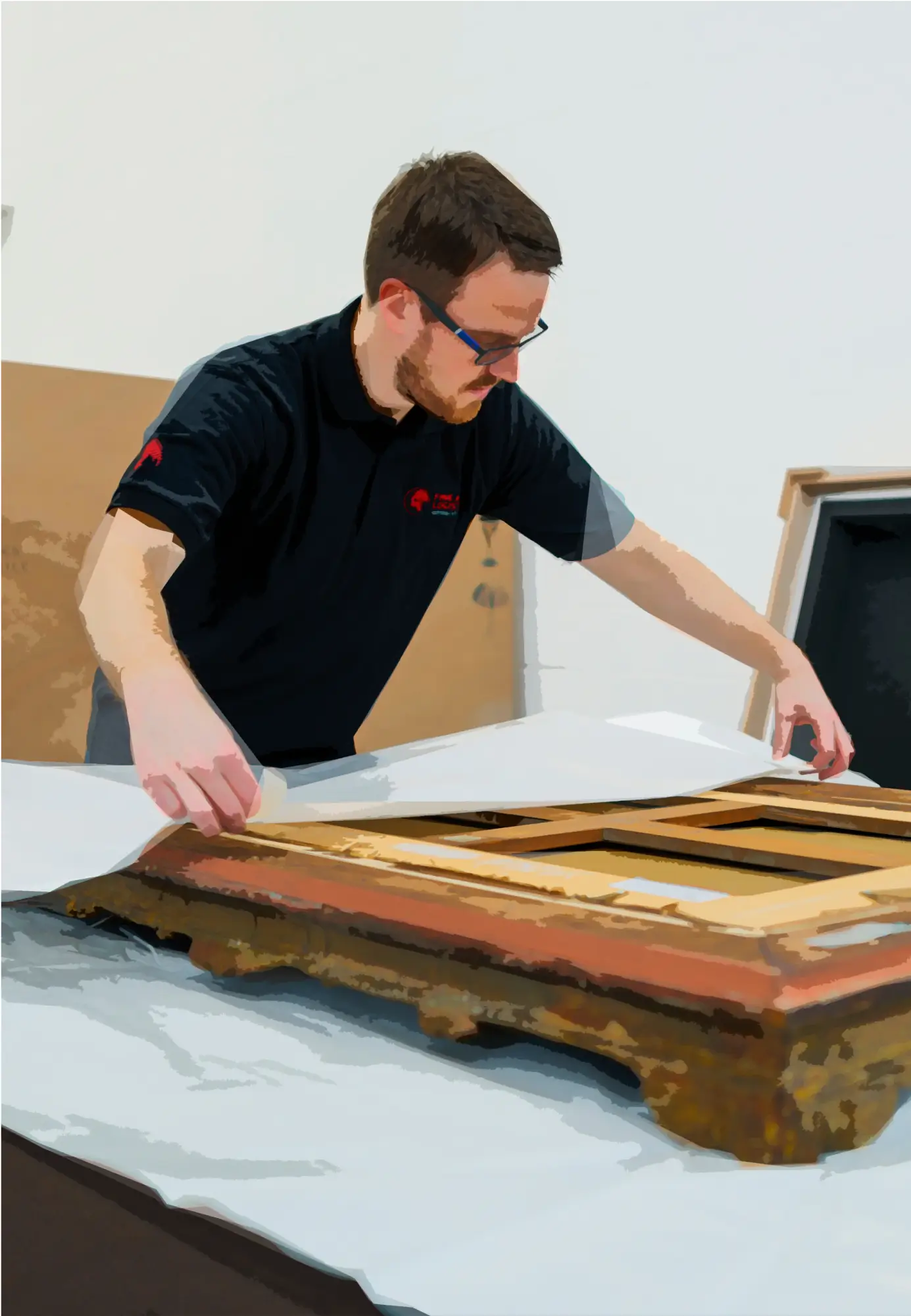
- Custom-made crates (climate-controlled, neutral materials).
- Use of shock and temperature sensors.
Specialized handling
- Teams trained according to museum standards.
- Use of gloves, straps, and adapted handling equipment.
Secure transport
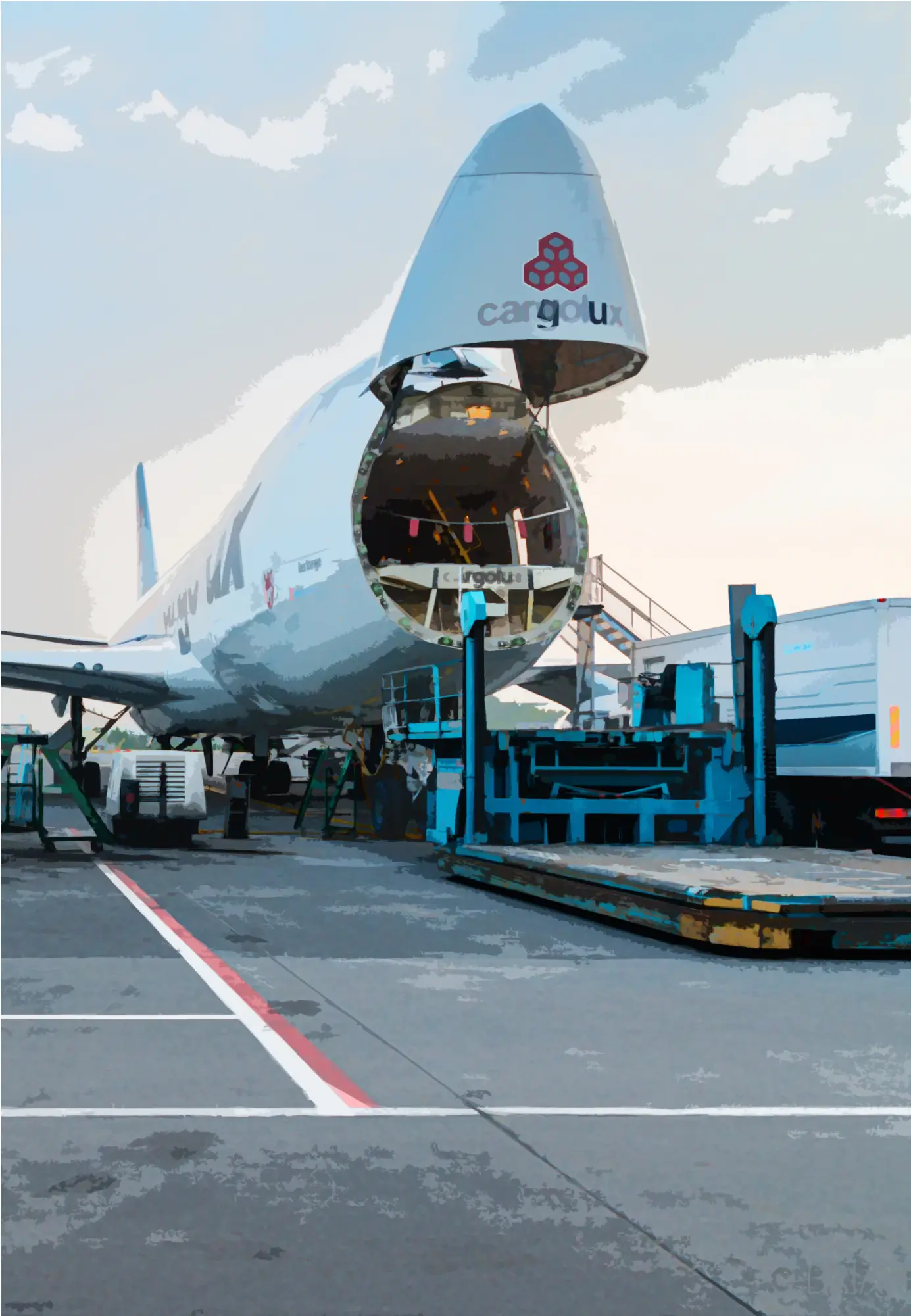
- Climate-controlled, GPS-tracked vehicles under continuous monitoring.
- Option for escorting high-value pieces.
Learn more about our expertise in secure artwork transport.
Best practices for artwork storage
Climate control
- Stable temperature between 20–22°C.
- Humidity maintained between 50–60%.
- Air filtration against dust and pollutants.
Enhanced security
- Biometric access control.
- 24/7 video surveillance.
- Inert gas fire suppression systems.
Additional services
- Digital inventory management.
- On-site restoration and framing.
- Private access by appointment.
Professional art preservation: a strategic advantage
Preserving cultural and financial value
- Compliance with museum standards (ICOM, ISO 11799).
- Reduced need for costly restorations.
Fiscal and logistical optimization
- Luxembourg is a strategic hub offering customs and tax advantages.
- Direct connections with major European capitals.
Explore our expertise in art storage in Luxembourg to safeguard your collection.
The 5 golden rules checklist
- Prepare each transport with custom packaging.
- Choose a specialized provider with climate-controlled facilities.
- Verify the certifications and insurance of the secure art warehouse.
- Maintain a fully digital and traceable inventory.
- Opt for long-term storage with professional art preservation.
Conclusion
Transporting and storing artworks requires precision, expertise, and specialized infrastructure. From custom packaging to choosing a secure art warehouse, every step ensures the longevity and value of your collection.
👉 Fortius supports collectors, investors, and institutions with secure storage solutions for paintings, sculptures, and photographs, combining safety, confidentiality, and optimal preservation.
Contact our team through the Contact page for personalized assistance.
FAQ
1. What is the difference between artwork transport and storage?
Transport covers the movement of pieces (packaging, secure vehicles), while storage refers to housing in a climate-controlled, secure facility.
2. What are the ideal climate conditions for preserving an artwork?
A temperature of 20–22°C and relative humidity between 50–60% are recommended.
3. Why avoid a standard self-storage facility?
Because it does not offer climate control or the security measures required for museum-grade conservation.
4. What additional services does Fortius offer?
Secure transport, digital inventory management, restoration, framing, and tax assistance.
Similar articles

Security audit: what does flawless storage look like?
In a world where the value of an asset goes far beyond its price, security becomes a non-negotiable requirement. Fine…

Luxury storage units: far more than a simple warehouse
A luxury storage unit is far more than a simple storage space. For collectors, investors, or owners of valuable assets,…

Storing a private collection: expert guidance from Fortius
Building a private collection is first and foremost an emotional and cultural journey. Whether it includes paintings, sculptures, photographs or…


Art enthusiast?
Download the worldwide art sales calendar and never miss an important sale or event!
Discover the calendar